Flamenco: origin, tradition, and its presence in Barcelona
Flamenco is a cultural expression that originated in southern Spain, especially in Andalusia, and began to develop between the 18th and 19th centuries. Its origins are linked to the coexistence of different cultures, mainly Gypsy, Andalusian, Arab, and Jewish, which shared musical and expressive traditions over centuries. Today, flamenco is internationally recognized for its emotional intensity, flamenco dance, and the expressive power of flamenco guitar.
Initially, flamenco was passed down orally within families, without stages or formal structures. Over time, it evolved from private celebrations to cafés cantantes and later to flamenco tablaos, venues dedicated exclusively to this art form. In 2010, flamenco was recognized by UNESCO as Intangible Cultural Heritage of Humanity, consolidating its historical and cultural value.
Flamenco in Barcelona
Barcelona is a city with a rich cultural offering, and flamenco holds a special place thanks to historic tablaos, theaters, and venues where this art remains alive and vibrant, including renowned spaces such as city hall flamenco, which hosts daily performances for international audiences.
These are the best places to enjoy an authentic flamenco show in Barcelona, where art, music, and dance are experienced with their full intensity.
Palau Dalmases
Located in the heart of the Gothic Quarter, this venue offers one of the most authentic flamenco tablaos in Barcelona within a historic setting: a restored 17th century palace that evokes the tradition of flamenco through daily performances of dance, singing, and guitar. Known internationally as flamenco Palau Dalmases, it is one of the most iconic places to experience traditional flamenco in the city.
Here, visitors can enjoy intense performances that highlight the purity of flamenco art in an intimate atmosphere, making it a key destination for those looking for an authentic flamenco show Barcelona City Hall experience.
Tablao de Carmen
This tablao is dedicated to the legendary dancer Carmen Amaya, one of the most admired figures of traditional flamenco and a native of Barcelona.
Located in the Poble Espanyol, in Montjuïc, it offers an authentic experience by combining dinner or tapas with a live flamenco show in Barcelona, featuring expressive flamenco dance, traditional singing (cante), and the powerful sound of flamenco guitar

Teatro Flamenco Barcelona
Located in the Born district, this theater is a sophisticated venue for live flamenco performances in the heart of the city.
Here, music, flamenco dance, and traditional singing (cante) come together in immersive experiences that range from intimate shows to full scale musical events, often highlighted by the expressive power of flamenco guitar. In addition to performances, the theater also offers classes and educational activities focused on flamenco culture.
City Hall Flamenco

Also known as City Hall flamenco, this flamenco show takes place in a historic former theater that has been reimagined to offer memorable flamenco performances by high level artists in the center of Barcelona.
The venue combines tradition and modernity, with daily shows featuring traditional singing (cante) and powerful flamenco guitar, making it a popular choice for visitors looking for a high quality flamenco show in Barcelona City Hall in a compact and dynamic format.
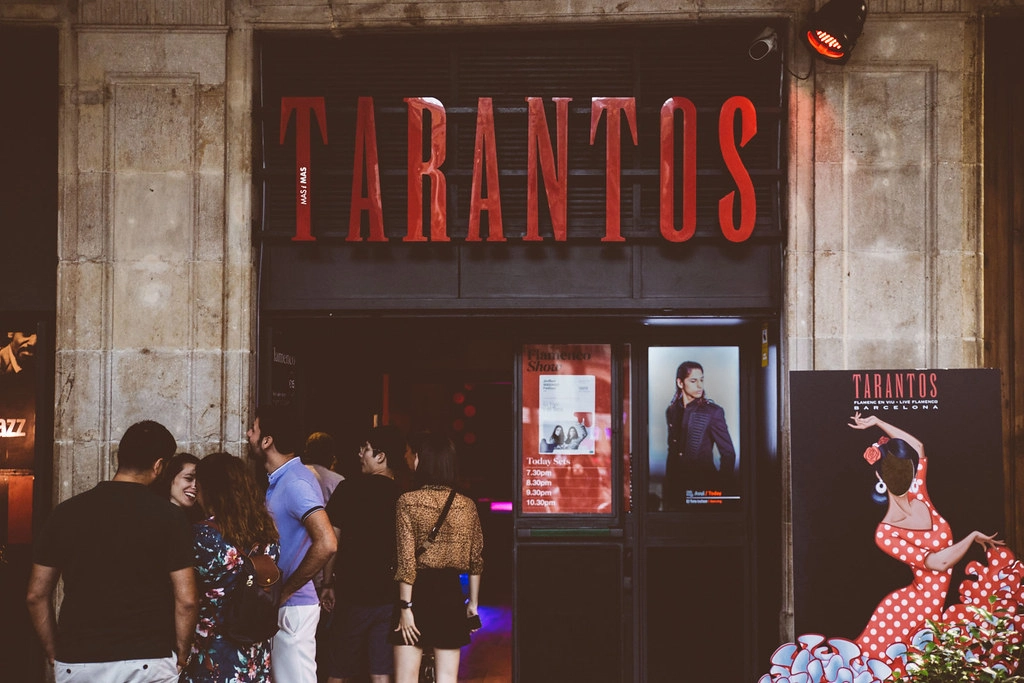
Los Tarantos
The oldest flamenco tablao in Barcelona, open since 1963, has hosted major figures of flamenco from several generations.
With shorter performances (30-40 minutes), this venue is ideal for experiencing flamenco in a direct and accessible way, featuring powerful flamenco dance, traditional singing (cante), and expressive flamenco guitar, often with several shows scheduled throughout the day.
El Duende by Tablao Flamenco Cordobes
One of the most recent flamenco venues in the city, inaugurated in 2024, El Duende was created to continue the tradition of flamenco on La Rambla, one of Barcelona’s most iconic areas.
With a proposal that blends traditional flamenco with emerging new talent, this tablao aims to connect history and future in an intimate setting in the heart of the city, offering live flamenco dance, traditional singing (cante), and the expressive sound of flamenco guitar.
Palau de la Música Catalana – Gran Gala Flamenco
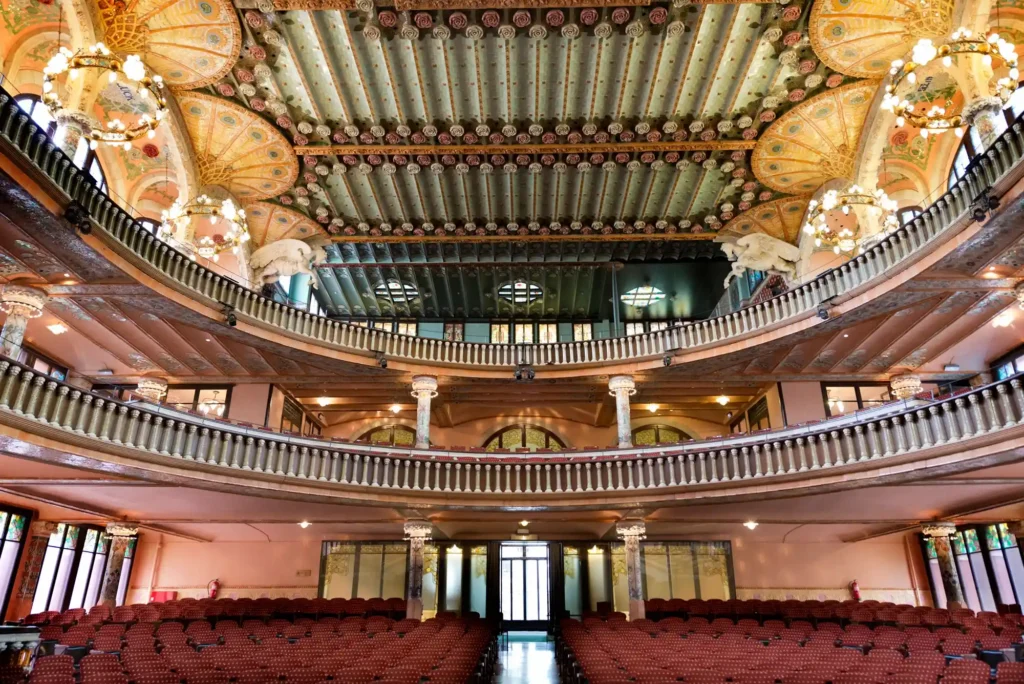
Although it is not a traditional tablao, the Palau de la Música Catalana is one of the most outstanding concert halls in the city. This modernist building, declared a UNESCO World Heritage Site, hosts productions such as Gran Gala Flamenco, featuring large scale choreographies and repertoires that explore different palos of flamenco.
These performances offer a grand format experience with professional musicians and dancers, combining powerful flamenco dance, expressive flamenco guitar, and traditional singing (cante) on one of Barcelona’s most prestigious stages.