Paella vs Fideuà: What’s the Difference?
If you are visiting Barcelona, you will probably see paella and fideuà on many restaurant menus. At first, they may look similar. Both are cooked in a wide, shallow pan, and both are popular dishes from the Mediterranean coast.
One easy way to eat like a local is to understand the difference between paella and fideuà before deciding what to order.
If you are not sure which one to try in Barcelona, here is everything you need to know.
What Is Paella? A Guide to Barcelona’s Favourite Rice Dish
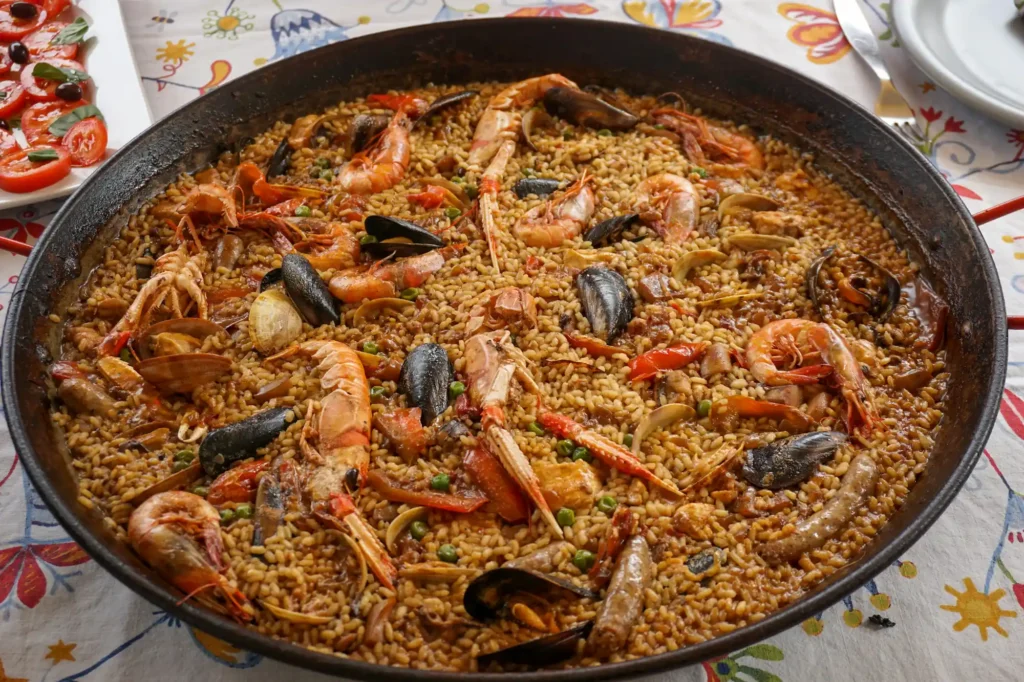
Paella is one of the most famous Spanish dishes in the world. Although it is now enjoyed in many parts of Spain, paella originally comes from Valencia, on Spain’s Mediterranean coast.
There are many different types of paella. Some are made with meat, others with seafood or vegetables, and recipes can vary from one region to another.
In Barcelona, you can find many different versions, from seafood paella to meat and vegetable options.
What Makes a Good Paella? Rice, Socarrat and Ingredients
The main ingredient in paella is rice.
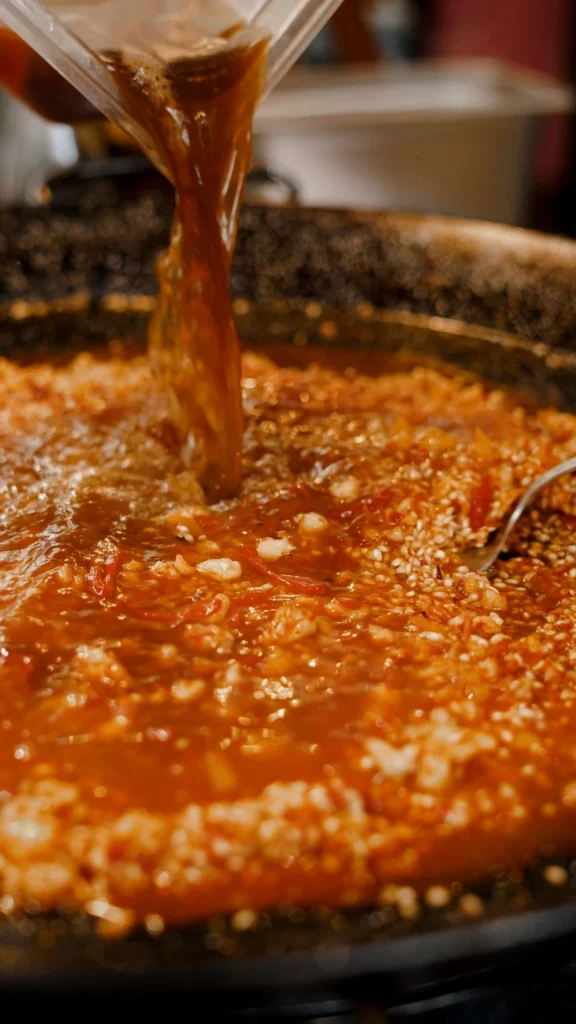
The rice is cooked slowly in a wide, shallow pan together with stock and other ingredients. This allows it to absorb the flavours while keeping its texture.
One of the best parts of a good paella is the “socarrat“. This is the slightly crispy and toasted layer of rice that forms at the bottom of the pan.
For many people, getting a little bit of socarrat is one of the highlights of eating paella.
What is Fideuà? A Traditional Noodle Dish
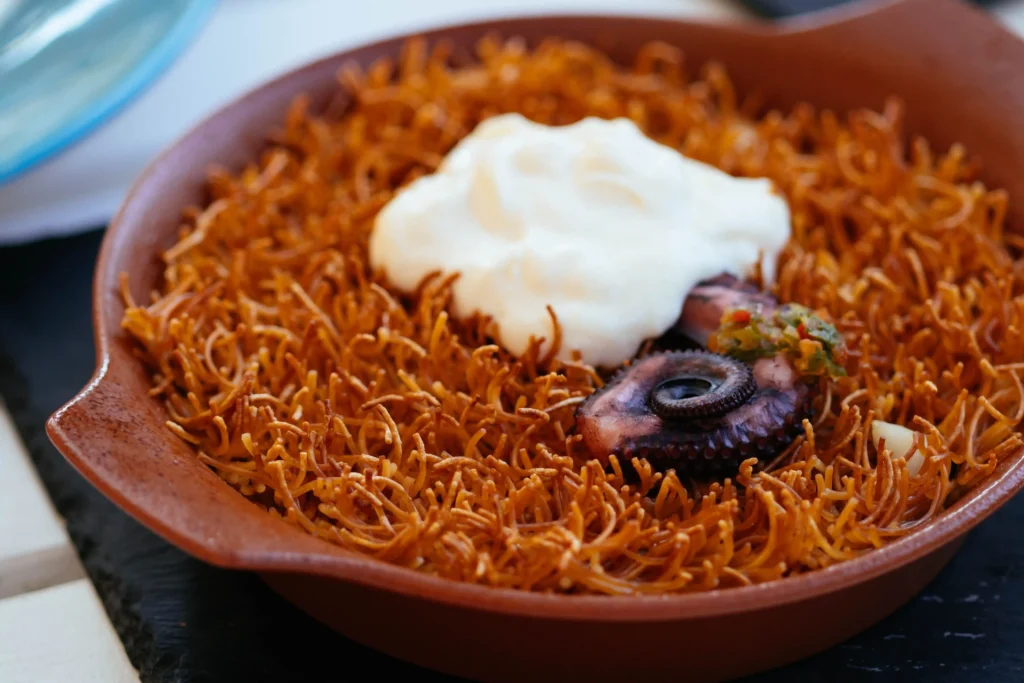
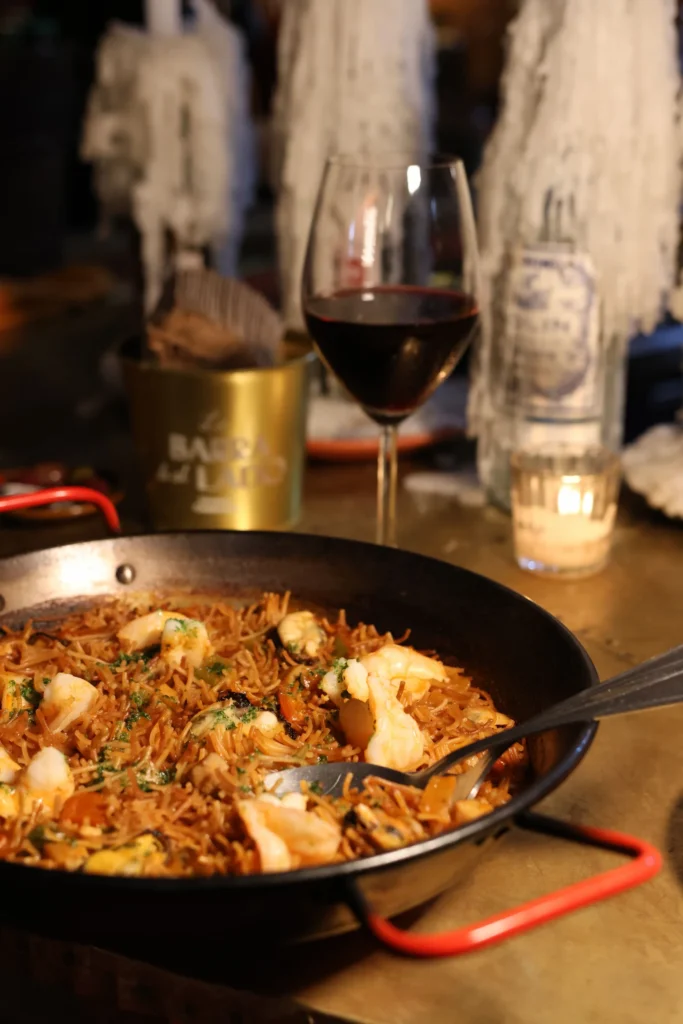
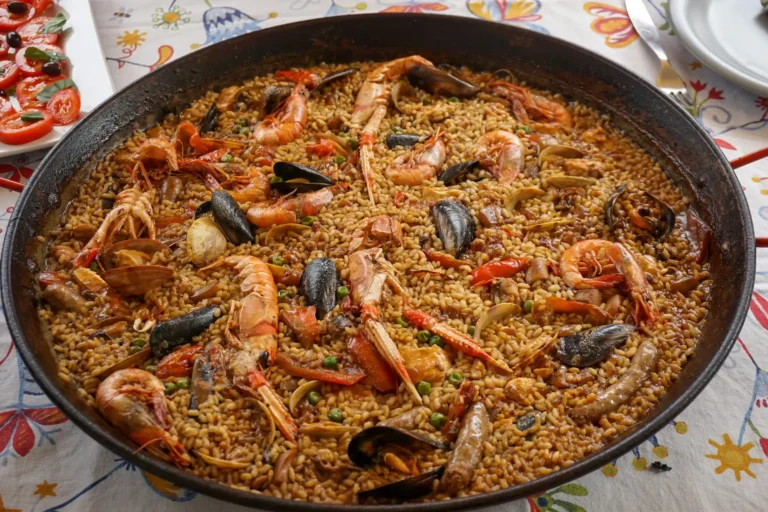
Fideuà is a Mediterranean dish similar to paella, but it is made with noodles instead of rice.
It is usually prepared with short, thin noodles called “fideus“. Seafood such as prawns, squid and mussels is common, together with a tasty fish or seafood stock.
What Does Fideuà Taste Like? Ingredients, Texture and Flavour
Because fideuà uses noodles instead of rice, its texture is different from paella.
The noodles absorb the seafood stock as they cook, giving the dish a rich Mediterranean flavour. They can also become slightly toasted at the bottom of the pan.
Fideuà is often served with allioli, a traditional garlic and olive oil sauce. Its strong flavour works particularly well with seafood and noodles.
Fideuà is traditionally linked to the Valencian coast, particularly the city of Gandia.
Today, however, it is very popular in Catalonia and can be found on menus across Barcelona.
Paella vs Fideuà: What’s the Difference?
DIFFERENCES
Main ingredient |
Common ingredients |
Cooking pan |
Cooking liquid Used |
Texture |
Crispy bottom |
Accompaniment |
PAELLA
Rice |
Seafood, meat or vegetables |
Wide, shallow pan |
Meat / seafood stock |
Separate grains |
Socarrat |
Lemon or Allioli |
FIDEUÀ
Short noodles |
Usually seafood (but flexible) |
Wide, shallow pan |
Fish / seafood stock |
Firm noodles |
Toasted noodles |
Lemon or Allioli |
Paella or Fideuà: Which One Should You Try?
Choose Paella If You Love Rice and Socarrat
Choose Fideuà If You Love Seafood and Noodles
Paella is a great choice if you enjoy rice dishes and want to try one of Spain’s most famous foods.
It is also the better option if you are excited to try socarrat, the toasted rice at the bottom of the pan.
You can also choose between many different types of paella, depending on whether you prefer seafood, meat or vegetables.
Fideuà is a good choice if you prefer noodles to rice or if you enjoy seafood.
The noodles have a different texture from rice and work especially well with seafood stock and allioli.
It is also a good option if you want to try something a little different from the classic paella.
Where to Eat Paella and Fideuà in Barcelona
Best Paella Restaurants in Barcelona
Can Solé
Can Ramonet
Can Ros
La Mar Salada
Casa Amalia
Best Restaurants for Fideuà in Barcelona
Can Solé
7 Portes
Can Ramonet
La Mar Salada
Can Fisher
Can Majó
Discover the Best Traditional Food in Barcelona
If you want to eat like a local in Barcelona, explore our guide to the best traditional Catalan dishes, from classic reipes to regional specialities you can find acroos Barcelona.
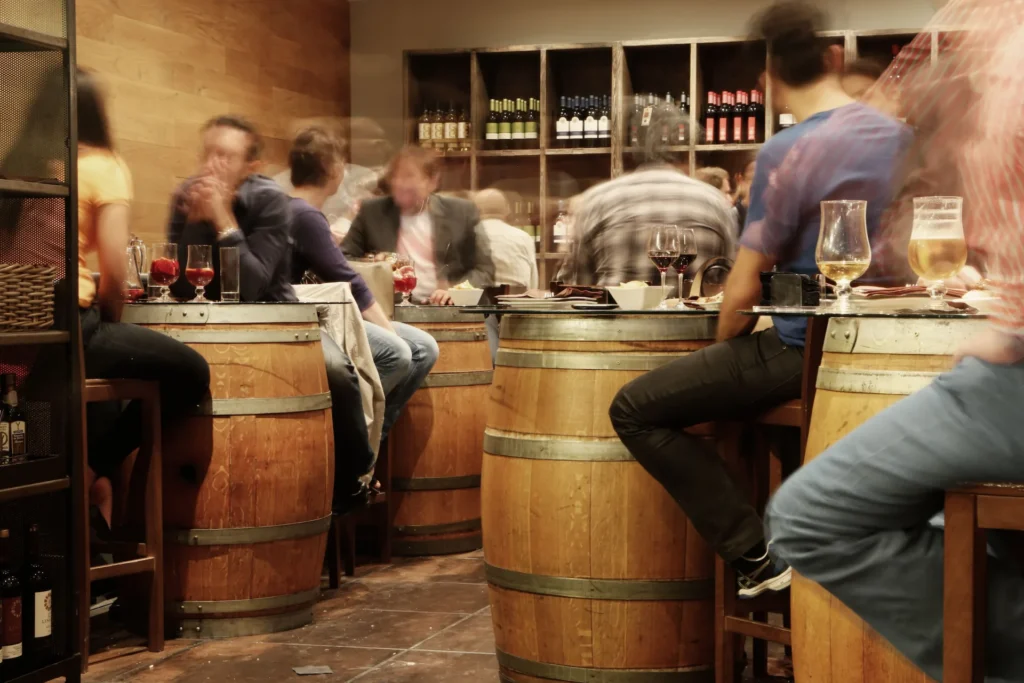
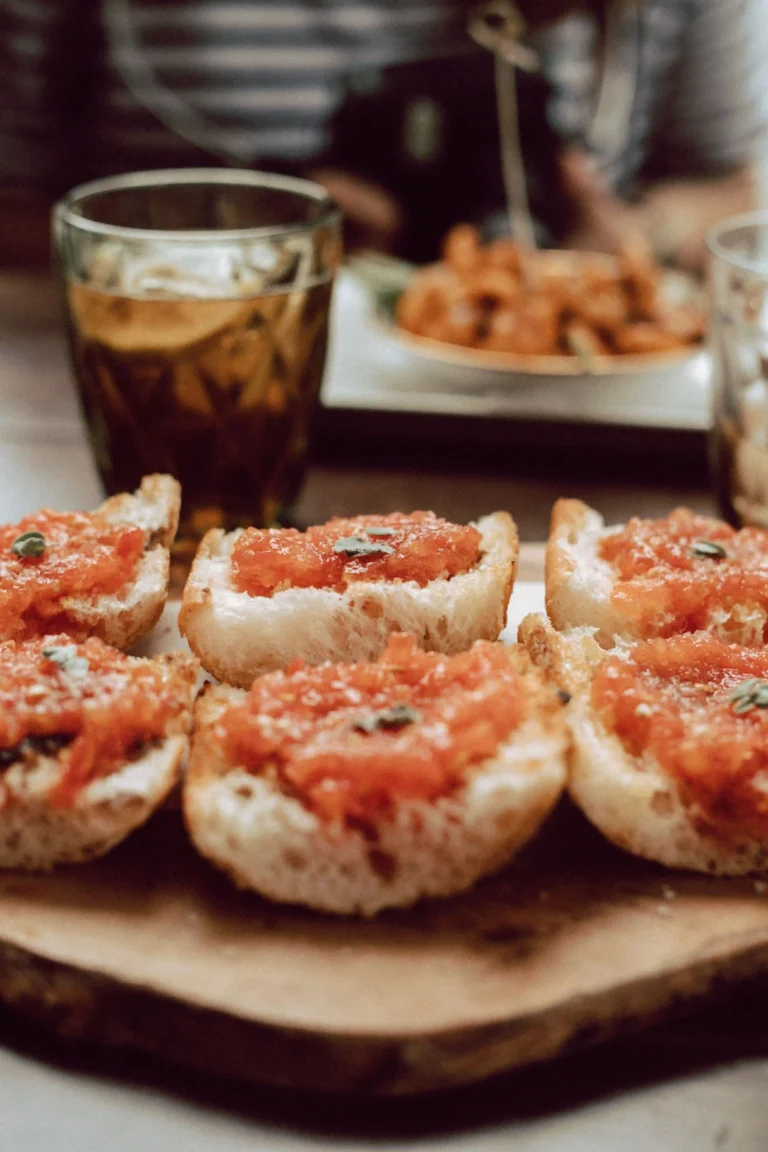
For a more casual experience, discover some of the city’s best tapas bars and learn which traditional tapas are worth trying during your visit.
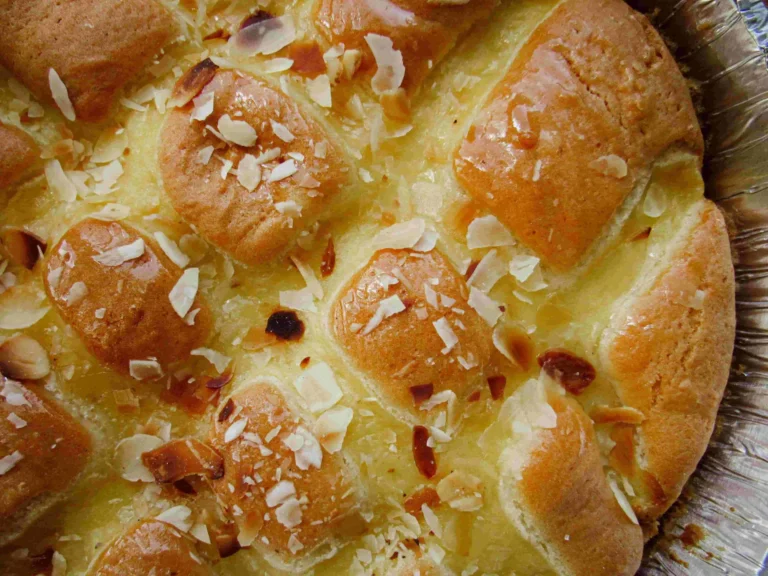
And if you are looking for something sweet, don’t miss our guide to traditional Catalan desserts, featuring some of the most popular local treats.
For another side of Barcelona’s food culture, explore the city’s iconic cafés in Barcelona, where you can discover historic cafés to enjoy a coffee like a local.