Skip to content
Barcelona Explorers

Barcelona Explorers

Best guide to discover Barcelona

Primary Menu
  • WHAT TO DO
  • ATTRACTIONS
  • GASTRONOMY
  • DAY TRIPS
  • CULTURE
  • Home
  • ATTRACTIONS
  • Discover Barcelona’s History: 10 Historic Places to Visit
  • ATTRACTIONS
  • CULTURE

Discover Barcelona's History: 10 Historic Places to Visit

Explore the rich history of Barcelona by visiting 10 captivating places, from ancient Roman walls and medieval churches to stunning Modernist architecture.
Kira 1 September, 2026 5 minutes read

Barcelona is a city where history is everywhere. From ancient Roman walls to medieval churches, old markets and Modernist buildings, the city tells its story through its streets and architecture.

The history of Barcelona goes back more than 2.000 years, beginning with the Roman colony of Barcino and evolving into the lively city we know today.

To truly understand the essence of Barcelona, one of the best methods is to explore the top places to visit in Barcelona that show you the city’s stroy.

The Roman Walls of Barcino

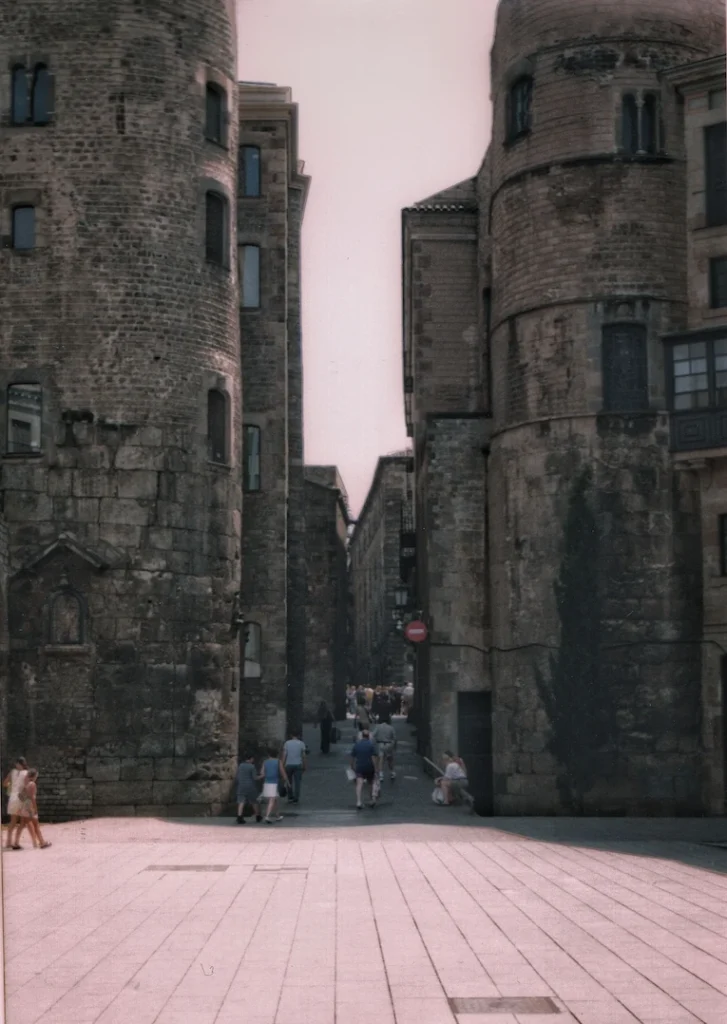
The history of Barcelona begins with Barcino, the small Roman colony founded in the late 1st century BC.

Today, you can still see parts of the ancient Roman walls of Barcelona around the Gothic Quarter.

The walls were built to protect the Roman city and were later reinforced as Barcelona grew.

Roman walls Barcelona

Roman Remains can be found at:​

  • Plaça Nova
  • Plaça Ramon Berenguer
  • Carrer de la Tapineria
  • Casa de l’Ardiaca

Walking through these streets is one of the easiest ways to discover Roman Barcelona and imagine what the city looked like many years ago.

The Temple of Augustus

The columns are more than 2.000 years old and give visitors a fascinating look at the religious and political life of ancient Barcino.

The entrance can be easy to miss, so keep an eye out when exploring the Gothic Quarter.

One of the most surprising historical places in Barcelona is hidden inside a building in the Gothic Quarter.

The Temple of Augustus was built during the Roman period and stood near the centre of the ancient Roman forum.

Today, four impressive columns are still standing.

Plaça del Rei and Medieval Barcelona

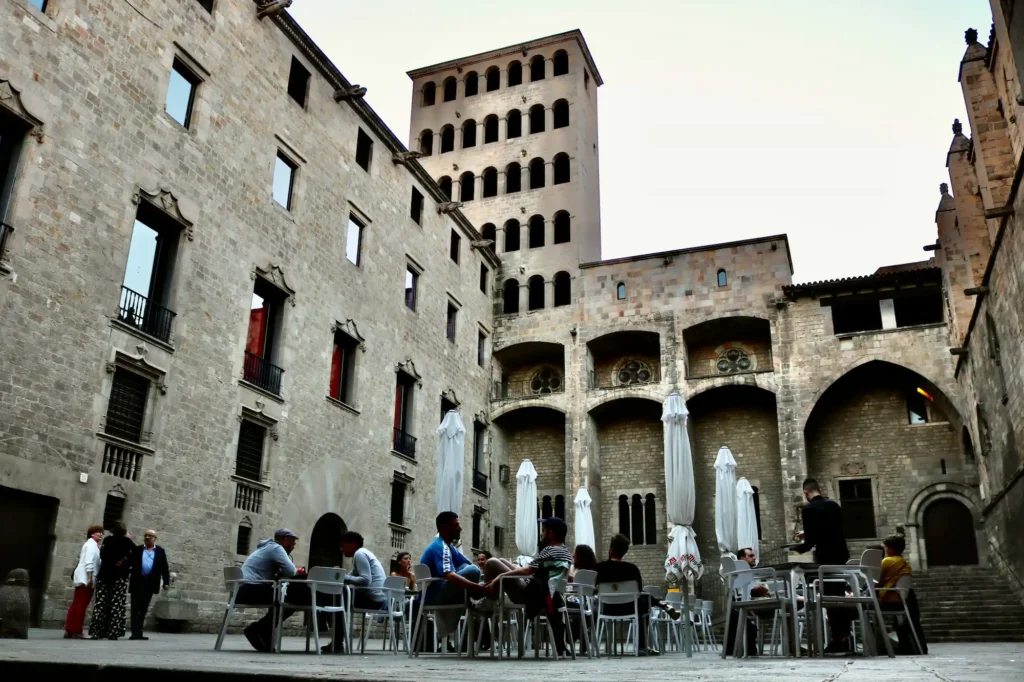
Plaça del Rei has been the main site of the Barcelona History Museum (MUHBA) since 1943.

Here you can see old ruins from Roman times, the Visigothic era, and the Middle Ages.

Plaça del Rei

After the Roman period, Barcelona slowly became an important medieval city.

One of the best places to discover it is Plaça del Rei, located in the heart of the Gothic Quarter.

The square is surrounded by historic buildings connected to the city’s royal and political past.

Barcelona Cathedral

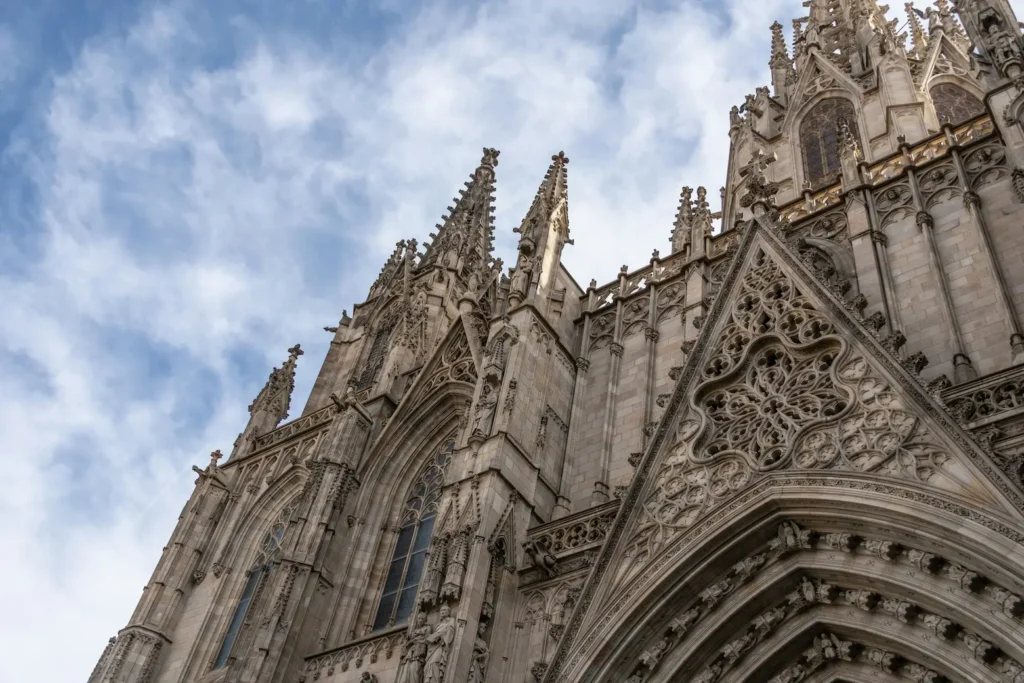
Barcelona Cathedral is one of the most important examples of Gothic architecture in Barcelona.

The cathedral reflects the period when Barcelona became a powerful political and economic centre in the Mediterranean.

If you are exploring the Barcelona Gothic Quarter, the cathedral is a landmark you should not miss.

cathedral of barcelona

Inside, you can admire its impressive Gothic details, beautiful stained-glass windows, chapels and famous cloister.

The cathedral is also closely connected with Santa Eulàlia, one of the city’s patron saints.

Santa Maria del Mar

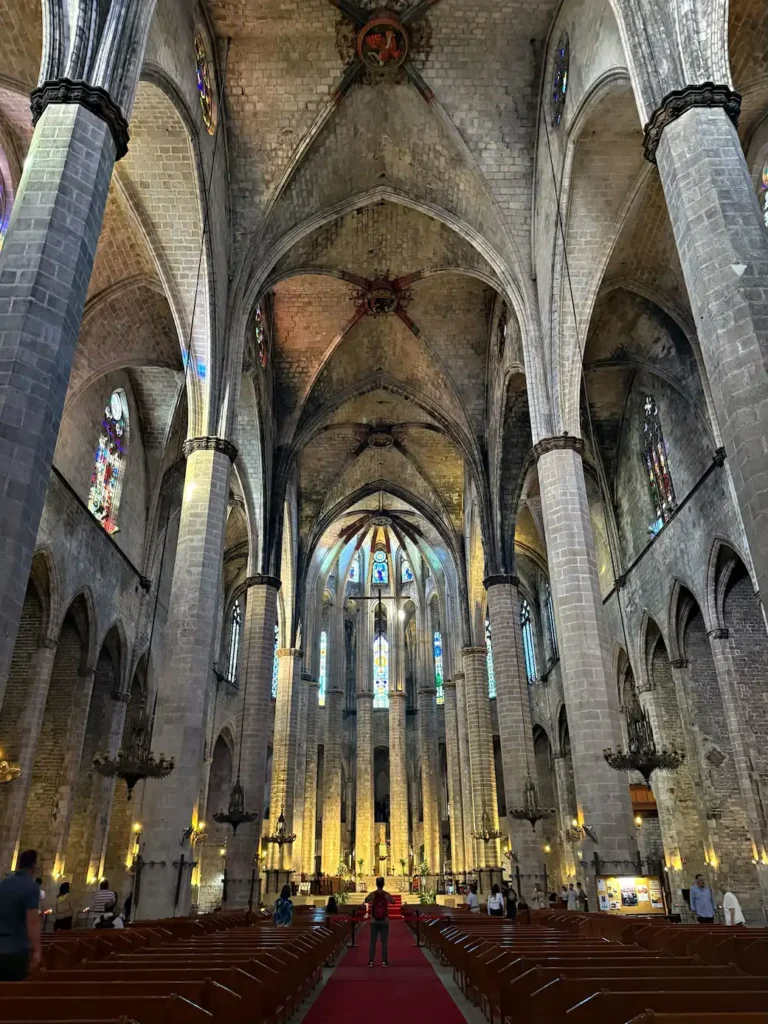
Santa Maria del Mar

Another important part of medieval Barcelona can be found in the neighbourhood of La Ribera.

Santa Maria del Mar was built when Barcelona was becoming an important Mediterranean trading and maritime city. Its large Gothic interior is known for its tall columns and spacious design.

The church also tells the story of the people who helped Barcelona grow during the Middle Ages.

Around Santa Maria del Mar, the streets of La Ribera still show what the old city was like when merchants, craftsmen and sailors were an important part of everyday life.

El Born in 1714

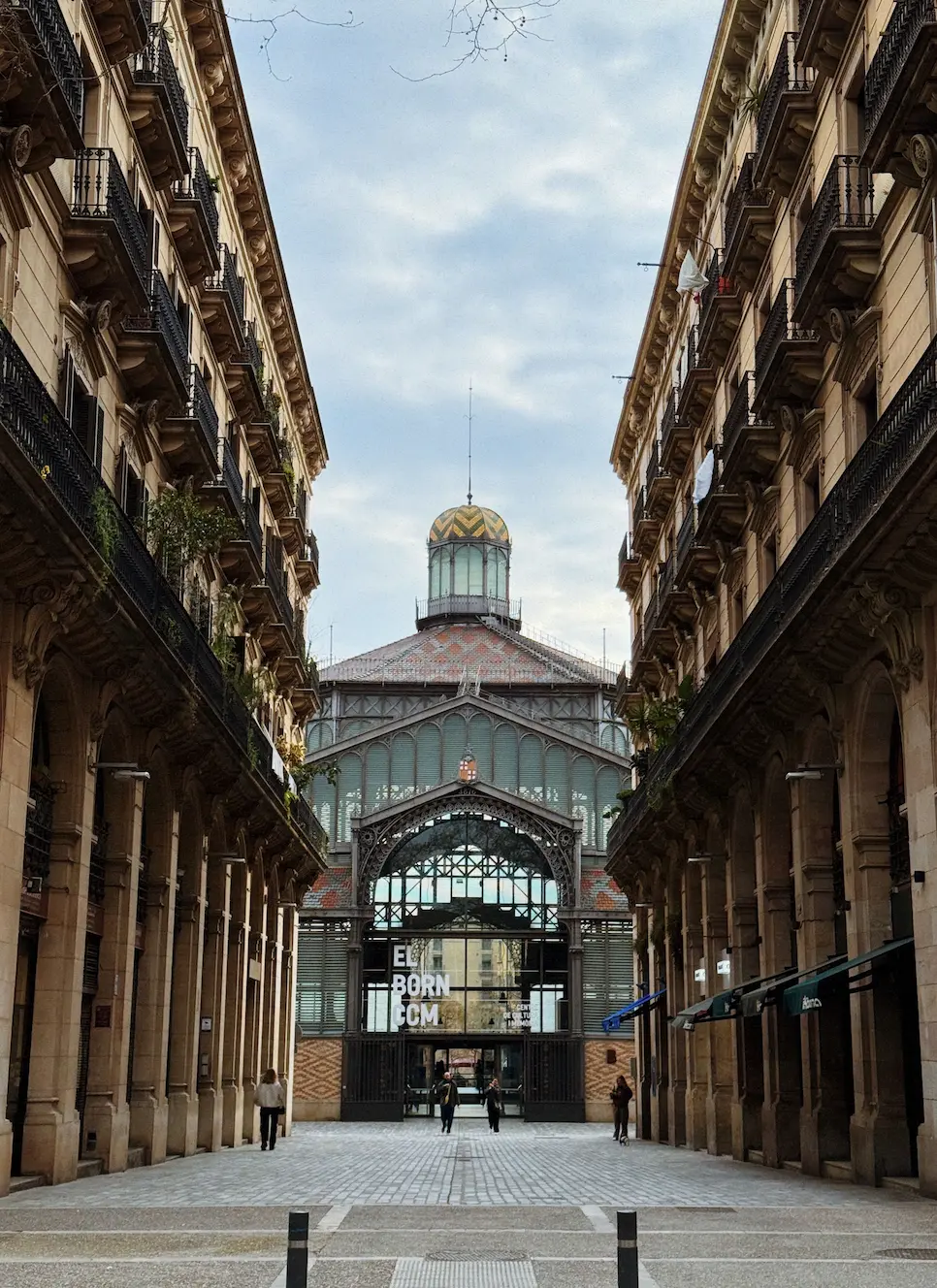
El Born is one of the best neighbourhoods to visit if you want to understand an important period in Barcelona’s history.

Among the many famous markets in Barcelona, the former Born Market holds an impressive archaeological site underneath, with the remains of streets and houses from the early 18th century.

El Born

The site shows what everyday life in Barcelona was like before the events of 1714 and the War of the Spanish Succession changed the city.

Today, MUHBA El Born allows visitors to walk around these preserved streets and discover a different side of historical Barcelona.

It is a fascinating place for anyone interested in the history of Barcelona and the story of the city.

The Royal Shipyards of Barcelona

Barcelona has always had a strong connection with the Mediterranean Sea.

The Royal Shipyards of Barcelona, or Reials Drassanes, are an important reminder of this maritime history.

These medieval shipyards were used to build and repair ships and played an important role in the city’s development as a Mediterranean power.

Today, the building is home to the Maritime Museum of Barcelona.

The shipyards are also an impressive example of medieval civil architecture, making them an interesting stop for anyone exploring historical sites in Barcelona.

Barceloneta and Barcelona's Maritime Past

Barcelona’s relationship with the sea continued long after the Middle Ages.

The Barceloneta neighbourhood was created in the 18th century for people who had been displaced by the construction of the Ciutadella fortress.

The neighbourhood was designed for a growing maritime community and became closely connected with fishermen, sailors and working-class families.

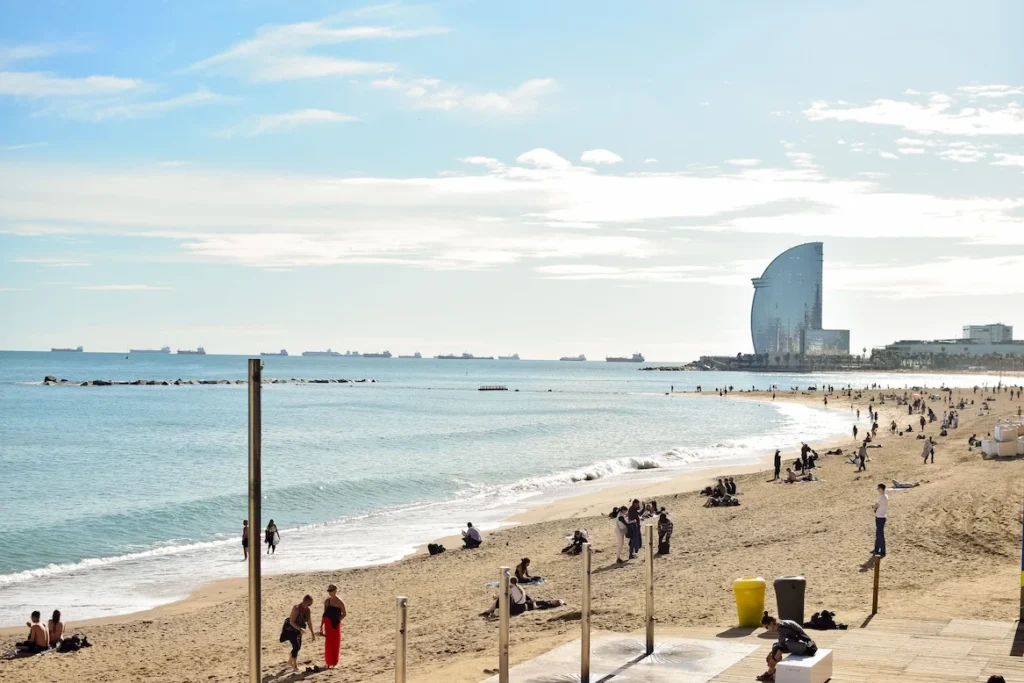
Barceloneta

Today, Barceloneta is famous for its beach and lively atmosphere, but its streets still tell an important story about Barcelona’s maritime history.

Walking through the neighbourhood is a great way to see how the city continued to grow and change over the centuries.

The Eixample and the Expansion of Barcelona

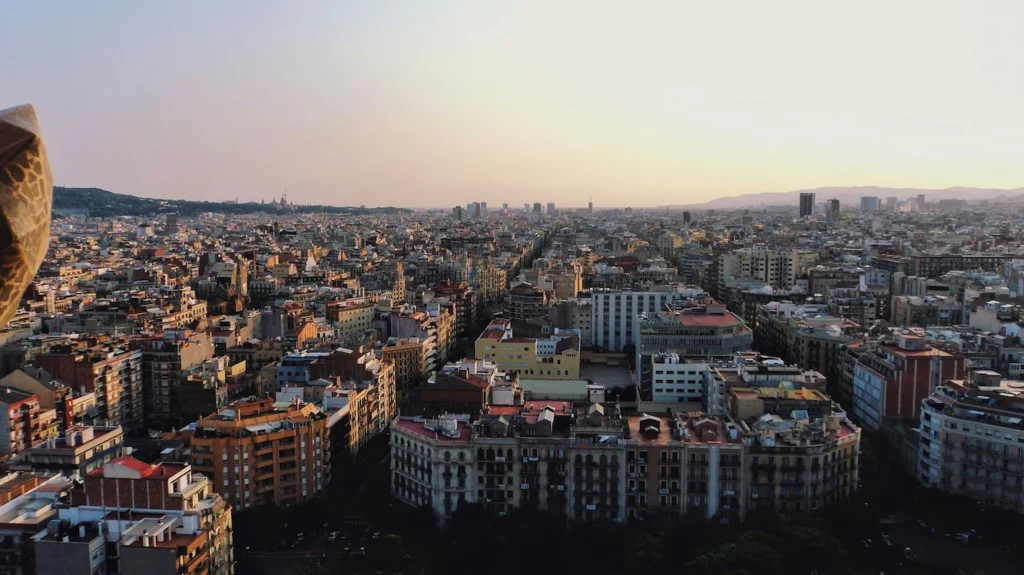
Eixample

Barcelona changed dramatically during the 19th century.

As the city grew, the old medieval walls were demolished and Barcelona expanded beyond the historic centre. This led to the creation of the Eixample, one of the most recognisable areas of the city.

The Eixample is famous for its wide streets, straight roads and special corners.

The new neighbourhood changed the way Barcelona looked and helped create the perfect place for a new architectural style that would soon make the city famous: Catalan Modernisme.

Modernisme and the Architecture of Barcelona

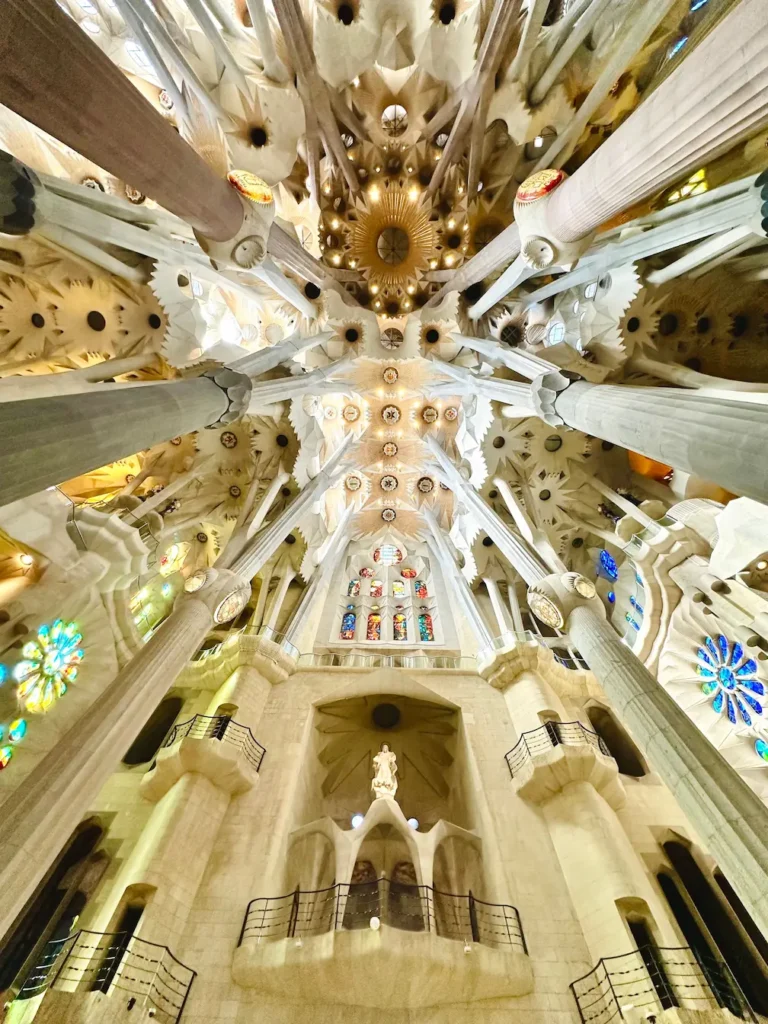
The final chapter of our journey through Barcelona history is Modernisme.

During the late 19th and early 20th centuries, architects such as Antoni Gaudí transformed Barcelona with bold designs, colourful details and new architectural ideas.

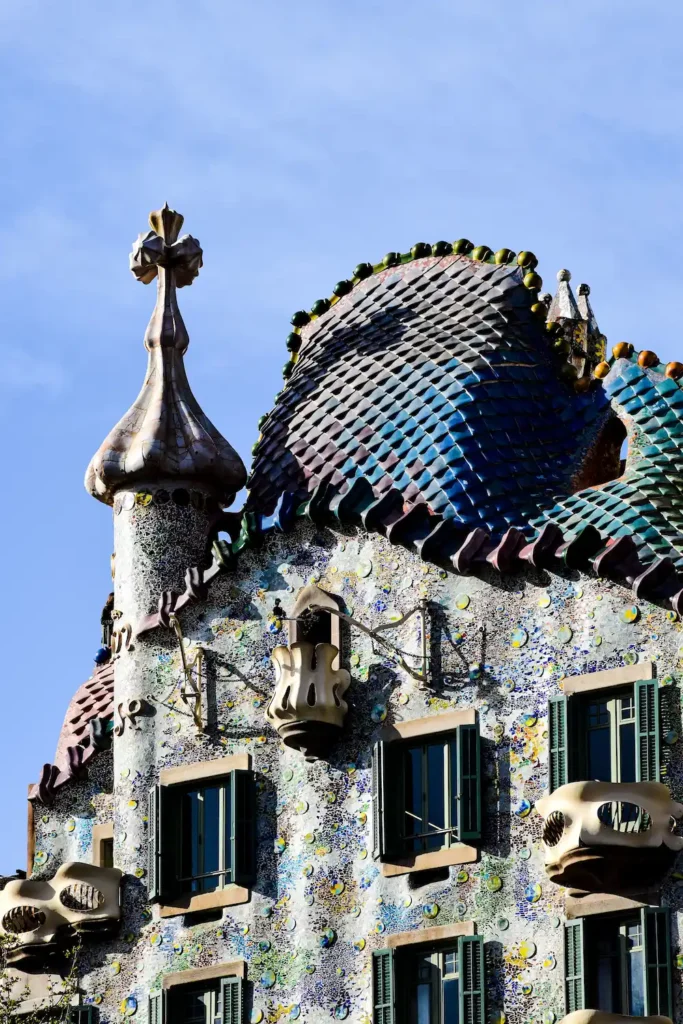
Modernisme of Barcelona

These buildings helped turn Barcelona into one of the world’s most famous architectural destinations.

Some of the most famous examples of Modernist architecture in Barcelona include:

  • Sagrada Família
  • Casa Batlló
  • Casa Milà
  • Casa Vicens

Post navigation

Previous: Correfocs in Barcelona: Discover Catalonia’s Fire

Related posts

Correfocs in Barcelona
  • CULTURE

Correfocs in Barcelona: Discover Catalonia’s Fire

Sandra 28 August, 2026
Historic Shops
  • ATTRACTIONS

Barcelona’s Historic Shops: Where Local Traditions Are Still Alive

Sandra 28 August, 2026
Barcelona cathedral
  • ATTRACTIONS

Barcelona Cathedral: The Architectural Details You Shouldn’t Miss

Sandra 11 August, 2026

Categories

  • ATTRACTIONS (111)
  • CULTURE (10)
  • DAY TRIPS (19)
  • GASTRONOMY (19)
  • TRAVEL TIPS (27)
  • WHAT TO DO (41)

ATTRACTIONS

Categories
  • Attractions (90)
  • Culture (6)
  • Day Trips (13)
  • Gastronomy (13)
  • Travel Tips (24)
  • What to Do (16)

You may have missed

old streets of Barcelona
  • ATTRACTIONS
  • CULTURE

Discover Barcelona's History: 10 Historic Places to Visit

Kira 1 September, 2026
Correfocs in Barcelona
  • CULTURE

Correfocs in Barcelona: Discover Catalonia’s Fire

Sandra 28 August, 2026
Things to do in barcelona
  • WHAT TO DO

Things to Do in Barcelona in September

Sandra 28 August, 2026
Historic Shops
  • ATTRACTIONS

Barcelona’s Historic Shops: Where Local Traditions Are Still Alive

Sandra 28 August, 2026

HOP-ON HOP-OFF

CAMP NOU EXPERIENCE

AIRPORT SHUTTLE BUS

  • Cookie Policy (EU)
  • Privacy Policy
  • Contact Us!
Copyright © All rights reserved. | MoreNews by AF themes.
Manage Consent
To provide the best experiences, we use technologies like cookies to store and/or access device information. Consenting to these technologies will allow us to process data such as browsing behavior or unique IDs on this site. Not consenting or withdrawing consent, may adversely affect certain features and functions.
Functional Always active
The technical storage or access is strictly necessary for the legitimate purpose of enabling the use of a specific service explicitly requested by the subscriber or user, or for the sole purpose of carrying out the transmission of a communication over an electronic communications network.
Preferences
The technical storage or access is necessary for the legitimate purpose of storing preferences that are not requested by the subscriber or user.
Statistics
The technical storage or access that is used exclusively for statistical purposes. The technical storage or access that is used exclusively for anonymous statistical purposes. Without a subpoena, voluntary compliance on the part of your Internet Service Provider, or additional records from a third party, information stored or retrieved for this purpose alone cannot usually be used to identify you.
Marketing
The technical storage or access is required to create user profiles to send advertising, or to track the user on a website or across several websites for similar marketing purposes.
  • Manage options
  • Manage services
  • Manage {vendor_count} vendors
  • Read more about these purposes
View preferences
  • {title}
  • {title}
  • {title}