Barcelona Street Art: A Route Through Murals and Museums
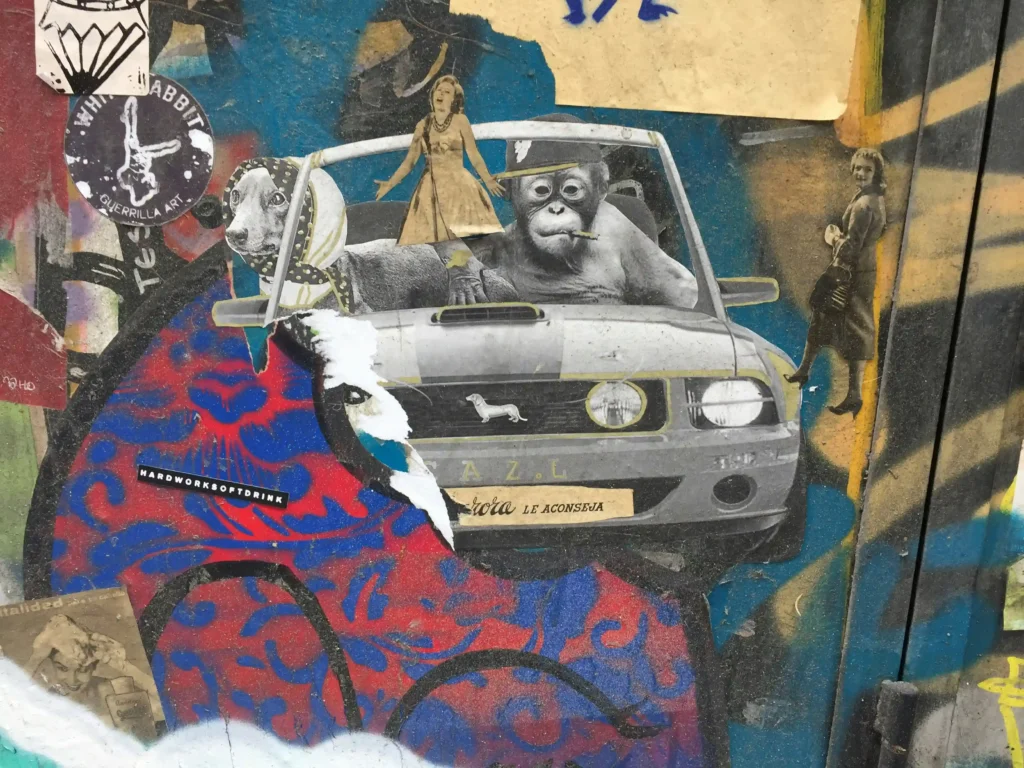
Barcelona is known for its architecture, beaches, and historic neighborhoods, but there’s another side to the city that few tourists fully explore: its vibrant street art scene. From giant murals on former factories to small, hidden stencils in narrow alleyways, Barcelona’s urban art reflects its creativity, diversity, and contemporary culture.
For travelers who love art, this street art route combines the best murals in key neighborhoods with nearby museums, offering a unique way to experience the city.
Why Explore Barcelona Through Street Art?
Street art in Barcelona is more than decoration—it’s a living, evolving gallery. Local and international artists use walls, shutters, and abandoned spaces to express social messages, cultural commentary, and artistic experimentation. Walking through the city’s streets offers a perspective that contrasts beautifully with the historical monuments and classical architecture for which Barcelona is famous.
Exploring street art allows visitors to discover hidden corners, enjoy unexpected photo opportunities, and experience Barcelona from a fresh, creative angle.
Start in El Raval – Urban Energy and Contemporary Walls
The journey begins in El Raval, one of the city’s most multicultural and artistic neighborhoods. The area around the MACBA – Museu d’Art Contemporani de Barcelona is a hotspot for stencil art, graffiti, and large-scale murals.
As you walk along Carrer de l’Aurora and Rambla del Raval, you’ll encounter politically and socially themed murals, reflecting the neighborhood’s dynamic energy. Early morning is the perfect time to see the murals in their full light without the crowds.
Poblenou – From Industry to Creativity
Next, head to Poblenou, a former industrial district transformed into an artistic hub. Here, abandoned factories and walls have become canvases for large-scale murals.
Highlights include Carrer de Pere IV and the open spaces around Parc del Centre del Poblenou, where massive, colorful murals showcase both local and international street artists. Renting a bike is a great way to cover the neighborhood efficiently.
Museum nearby: The Museu del Disseny de Barcelona showcases contemporary design and visual arts, complementing the urban art experience.
El Born – Hidden Gems in Historic Streets
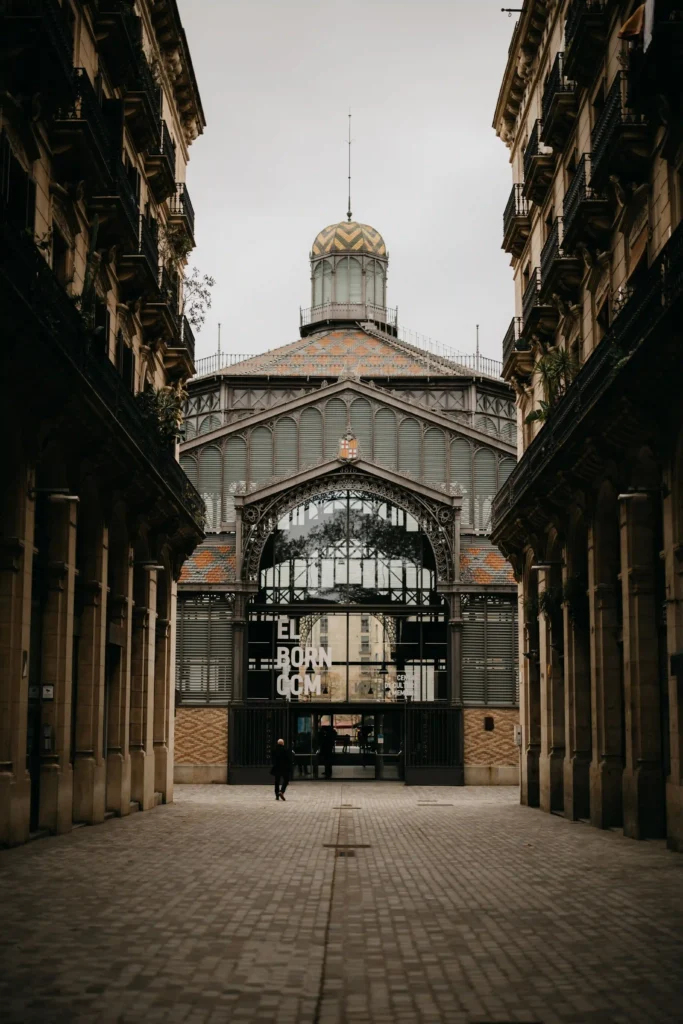
El Born offers a completely different experience. Its narrow streets and historic buildings contrast beautifully with hidden murals, stickers, and small-scale graffiti.
Must-see areas include Passeig del Born and Carrer de la Ribera, where ephemeral art appears alongside Gothic architecture.
Museums nearby: The Picasso Museum is a short walk away, as is the Santa Maria del Mar Basilica, allowing visitors to combine street art exploration with classical and modern art.
Gràcia – Bohemian and Experimental Art
Finally, head to Gràcia, known for its artistic spirit and lively plazas. Here, street art often takes playful and experimental forms, tucked into small squares or on hidden walls.
Highlights include Plaça del Sol and Carrer de Verdi, where the murals create whimsical backdrops for photos or simply for enjoying a leisurely stroll.
Museum nearby: For visitors willing to venture a bit further, the Fundació Joan Miró on Montjuïc offers a modernist and surrealist perspective that complements the street art’s creativity.
Discover Barcelona Beyond the Tourist Path
Barcelona’s streets are a living, evolving canvas. Following this street art route through El Raval, Poblenou, El Born, and Gràcia allows travelers to experience both contemporary urban creativity and the city’s rich cultural history.
Pairing murals with nearby museums and landmarks provides a deeper understanding of the city’s art scene and ensures a unique, memorable visit. For anyone interested in modern art, photography, or simply exploring Barcelona beyond the usual tourist paths, this street art route is a must-see experience.